Planning a safari from Barcelona, Girona, or Tarragona raises a question that generic guides never answer properly: what is the best time to visit Kenya for Catalan speakers? The truth is that your ideal window depends on your school holidays, your budget, and your tolerance for rain. This guide skips the vague “June to October is dry season” line and gives you the actual trade offs.
Kenya sits right on the equator, but its climate does not follow the Mediterranean rhythm you know from Catalonia. Forget the hot, dry summers and cool, wet winters of home. Kenya has two dry seasons and two wet seasons, and each one changes what you will see and what you will pay.
How Does Kenya’s Climate Compare to Catalonia’s Seasons?
Catalonia has a simple annual cycle: hot and dry in July and August, cold and wet in January. Kenya is the opposite in several ways. The equator splits the country, but altitude does most of the work. Nairobi sits at about 1,700 meters, so evenings are cool all year. The coast is hot and humid. The savannah parks sit somewhere in between.
Kenya’s two dry seasons run from late June to October and from January to February. The long rains hit from March to May. The short rains arrive in November and early December. That is the pattern for most parks, though the Masai Mara can blur the lines.
For a Catalan traveler, the practical takeaway is this: if you want the hottest, driest weather and the best wildlife viewing, you want Kenya’s dry season. That aligns with your summer holidays, which is both good news and bad news. Good because you can travel without pulling kids out of school. Bad because everyone else from Europe is doing the same thing.
What Is the Best Overall Season to Visit Kenya?
The best overall season for a first time safari is the dry season from late June to October. Wildlife concentrates around permanent water sources, so animals are easier to find. Grass is short, which improves visibility. Roads are dry and reliable. This is also when the Great Migration fills the Masai Mara.
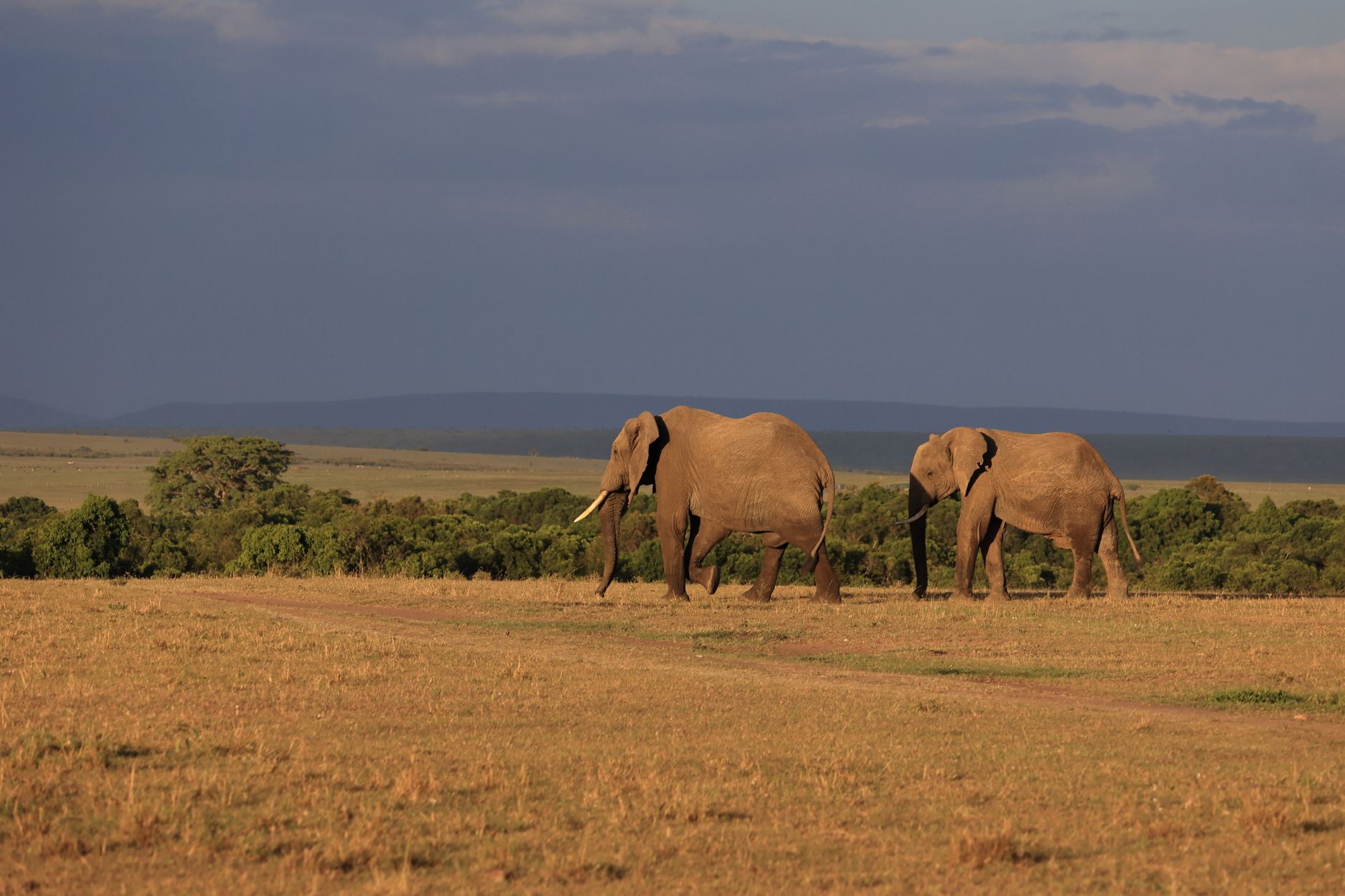
If you want a slightly cheaper trip with fewer crowds, January and February are nearly as good. The weather stays dry, the wildebeest have moved south into the Serengeti, but Kenya’s resident wildlife remains. Amboseli delivers classic elephant views against Kilimanjaro. Samburu shows you species you will not see elsewhere.
The wet seasons are not a disaster. The long rains from March to May bring lush scenery and baby animals, but many camps close. The short rains in November are lighter and more manageable. You will pay less, but you accept the risk of afternoon downpours and muddy tracks.
For the best time to visit Kenya for Catalan speakers who want value with good weather, January and February often win. You skip the July and August crowds, you still get dry conditions, and you avoid the school holiday peak from Catalonia because your kids are back in class.
What Is the Best Month to Go on Safari in Kenya?
September is the single most reliable month for the Masai Mara. The Great Migration herds are usually in the northern Mara, and the river crossings on the Mara River happen most days. That is the month professional photographers book a year ahead. It is also the most expensive.
February is the best month for Amboseli. The dry conditions concentrate elephants around the swamps, and the air is clear for Kilimanjaro views. This month also suits Samburu and Laikipia. You still get dry roads and strong wildlife viewing without the premium prices of August.
If you are traveling from Catalonia with school age children, August is the practical choice. The long summer break means you can take a full two week trip. Expect high prices and busy camps, but the migration is usually in the Mara and the weather is dependable.
November is the quietest month that still works. The short rains usually come as brief afternoon storms. Mornings are often clear. Camps offer meaningful discounts. For a budget conscious traveler with flexible dates, this month offers strong value.
When Does the Great Migration Happen in the Masai Mara?
The Great Migration is a year round event, but the part you hear about happens in the Masai Mara from July to October. The herds cross from Tanzania’s Serengeti into Kenya’s Mara, and the river crossings draw the big crowds.
The exact timing shifts every year based on rainfall. Some years the first herds arrive in late June. Other years the main push comes in August. September is the safest bet for seeing large herds and crossing attempts. By November, most of the wildebeest have started moving back south.
For a Catalan traveler, the honest advice is this: if river crossings are your priority, plan for September and book early. If you simply want to see the herds themselves, late July through October all work. If you want the migration without the peak prices, late October into November can still deliver, but you take a chance on the herds moving early.
The Masai Mara is not the only park worth your time. Our detailed Masai Mara guide breaks down the different conservancies and their specific wildlife strengths. You should also compare the Mara with Amboseli before you commit to an itinerary.
Which Parks Are Best in Which Season?
Kenya’s parks do not all follow the same calendar. The best time to visit Kenya for Catalan speakers depends on where you plan to go.
The Masai Mara peaks from July to October. This is the migration window and the dry season. From January to March, the Mara is quieter and still good, but the herds are elsewhere.
Amboseli is best in the dry months from June to October and January to February. Elephants gather around the permanent swamps. In the wet season, they spread out across the basin and are harder to find. Our Amboseli safari guide covers the details.
Samburu is a dry country park, so it works almost year round. The best months are June to October and January to March. In the wet season, the Ewaso Ng’iro River can flood, but the wildlife still shows well. Our Samburu safari guide and our practical guide on how many days you need in Samburu will help you plan.
Lake Nakuru is a birding and rhino destination. It works year round for flamingos, though the water levels shift. The dry seasons give better game viewing. Our Lake Nakuru guide explains the current situation with the flamingos, which has changed in recent years.
Ol Pejeta Conservancy, near Nanyuki, is a rhino stronghold and home to the last two northern white rhinos. It works in any season, but the dry months are easier for driving. Our Ol Pejeta Conservancy guide has more detail.
Tsavo is enormous and works year round, but the dry season from June to September is best for the big herds. Our Tsavo safari guide covers the pros and cons of both Tsavo East and West.
How Do Crowds and Prices Change by Season?
This is where your Catalan school calendar matters more than any wildlife chart. The table below gives an indicative comparison. Exact rates vary by camp and operator, so treat the price column as a relative guide, not a quote.
| Season | Months | Weather | Wildlife viewing | Crowd levels | Relative price |
|---|---|---|---|---|---|
| Peak dry season | July to October | Dry, sunny | Excellent, migration active in the Mara | High | High |
| Short dry season | January to February | Dry, warm | Very good, strong resident wildlife | Medium | Medium |
| Long rains | March to May | Wet, lush | Good, but harder to spot animals | Low | Low |
| Short rains | November to early December | Light, brief showers | Good | Low to medium | Low to medium |
Peak season runs from July to August and again from late December to early January. These match European summer holidays and Christmas. Peak season prices in the Masai Mara are consistently higher than low season rates, sometimes by a wide margin depending on the camp. Camps book out months ahead. You will share sightings with other vehicles.
Shoulder season covers June, September, October, and January. The weather is still good. Crowds thin out after September. Prices drop from the August peak. This is the sweet spot for most travelers.
Low season runs from March to June, plus November. Many camps close in April and May during the long rains. The ones that stay open cut rates, sometimes well below their peak season prices. The trade off is rain and fewer animals.
For a family from Catalonia, the only feasible windows are Setmana Santa in late March or early April, the summer break in July and August, and the Christmas holidays. Of these, the summer break is the best for wildlife but the most expensive. Setmana Santa falls in the rainy season, so expect mud and possibly closed camps. Christmas is dry but very crowded.
If you have flexibility, the best time to visit Kenya for Catalan speakers is late January or February. The weather is dry, the wildlife viewing is strong, and you miss both the European crowds and the premium prices.
Can You Combine a Safari with a Beach Holiday in Kenya?
Yes, and most first time visitors should. The combination works well because the coast has its own climate pattern.
The coast around Diani and Watamu stays warm all year. The dry season from December to March is the best for beach weather, with less humidity and reliable sun. The long rains from April to June hit the coast hard, so avoid that window. July and August are cooler but still pleasant, with strong winds that attract kite surfers.
A classic itinerary runs seven to nine days on safari in the Masai Mara or Amboseli, then three to five days on the coast. The internal flight from Nairobi to Mombasa or Ukunda takes just over an hour, which makes the combination easy even with kids.
Our Diani Beach guide covers the best resorts and the practical details of the coast. You can also read the Kenya safari cost guide to understand how the beach extension changes your total budget.
How Do You Get from Barcelona to Kenya?
There are no direct flights from Barcelona to Nairobi. You will connect through a European or Middle Eastern hub. The most common options are Amsterdam with KLM, Istanbul with Turkish Airlines, or Doha with Qatar Airways. Paris and Frankfurt also work with Air France and Lufthansa.
Total travel time from Barcelona is between eight and eleven hours in the air, plus a layover of two to four hours. You leave in the morning and arrive in Nairobi in the evening, then fly to your safari airstrip the next day.
Fares are highest from mid June to August and again over Christmas. Prices drop in May and November. Booking three to five months ahead usually gives the best combination of price and seat availability.
You should also know the visa situation. Spanish and Catalan citizens need an eTA, not a traditional visa. The Kenyan government introduced the eTA system in 2024. You apply online before travel, and it costs a set fee. The process is straightforward, but do it at least two weeks before departure.
What Should You Pack for a Kenya Safari?
The packing list depends on season, but a few rules hold for Catalan travelers year round.
Light layers work best. Mornings on game drives are cold, often below 10 degrees Celsius in Nairobi and the Mara. By midday, it reaches the mid 20s. You want a fleece, a light jacket, and long trousers for the evenings. Neutral colors like khaki and olive are practical, but the idea that you must dress in safari beige is outdated. Comfort matters more.
For the wet seasons, bring a lightweight rain jacket and waterproof shoes. For the dry season, sun protection is essential: a wide brim hat, sunglasses, and high SPF sunscreen. The sun at the equator is intense even at 8 am.
If you take malaria prophylaxis, start it before you leave. Your doctor in Barcelona can prescribe the right option. Also bring insect repellent with DEET. The coast has more mosquitoes than the highland parks, so plan accordingly.
Our Kenya safari packing list has a full seasonal breakdown that you can print and use while packing.
Is Kenya Safe to Visit Right Now?
Kenya is a stable and well developed safari destination. The tourism industry is mature, and the parks are professionally managed. The main security concerns are in Nairobi’s poorer areas and near the Somali border, which you will not visit on a standard safari.
Your biggest safety considerations are medical, not political. Drink only bottled or filtered water. Use the insect repellent. Listen to your guide about staying inside the vehicle. Safari is one of the safest forms of adventure travel because you are always accompanied by a professional.
For the latest security information, check the Spanish Ministry of Foreign Affairs travel advice for Kenya before you book. Conditions can change, but the safari circuit has remained open for years.
When Should You Book for the Best Time to Visit Kenya for Catalan Speakers?
If you want July to October, book nine to twelve months ahead. The best camps in the Masai Mara fill fast, especially for August and September. If you want January or February, six months ahead is enough. For the low season, you can book three months out or even later.
Your total trip length matters too. A week is the minimum for a safari, but ten days to two weeks gives you a proper experience. You want at least three full days in the Masai Mara and two days in a second park. Add a coast extension and you need a minimum of twelve days.
Ready to Compare Your Options?
The next step is finding the right operator for your dates and budget. Compare safari operators rather than booking the first package you find. Browse packages from trusted operators like FindMySafari, Valley Safaris, or Trunktrails Safaris to see real itineraries and prices for your chosen travel window. Pull quotes from three operators, compare what they include, and check current rates and availability at touringinsights.com.